

Pet Bird, Poultry, Wild Bird
Avian Influenza – A Quick Guide
 Over the past couple of months, we’ve all been hearing about the Avian Influenza outbreak in Europe and parts of Asia. And with recent cases reported across the UK, we understand it can be an anxious and confusing time.
So, we’ve put together this quick guide that we hope will answer some questions and give you peace of mind.
Over the past couple of months, we’ve all been hearing about the Avian Influenza outbreak in Europe and parts of Asia. And with recent cases reported across the UK, we understand it can be an anxious and confusing time.
So, we’ve put together this quick guide that we hope will answer some questions and give you peace of mind.
About Avian Influenza
Avian Influenza (aka Avian Flu or Bird Flu) is an infectious disease that spreads among birds and poultry. And in some rare cases can be caught by humans. It can be spread among birds through direct physical contact or through bodily fluids. However, it is not an airborne disease. Through numerous spreading, the virus changes frequently, creating new strains – some more harmful than others.What are the symptoms?
The symptoms of avian influenza in birds range in severity, depending on the strain of the virus. These are separated into Highly Pathogenic Avian Influenza (HPAI) and Low Pathogenic Avian Influenza (LPAI). The more serious (HPAI) symptoms include:- Loss of appetite
- Swollen head
- Discolouration of the neck and throat
- Respiratory problems or distress such as coughing, gurgling or a gaping beak.
What is the current situation?
As of the time of writing this post (13/01/2017), there have been confirmed reports of a HPAI strain of the disease called H5N8. Since mid December there have been cases found in wild birds, and several backyard flocks of chickens in parts of Wales, England and Scotland. There have also been several prevention and surveillance zones in specific parts of the country, which are likely to run until at least the end of February.Is there anything I can do to help prevent it?
Yes, there is! Official government advice is to keep your birds indoors and kept in type of housing you may have for them. Cover any gaps or openings with netting to prevent any wild birds getting in. The main thing is to prevent your flock having any contact at all with other birds, whether they be wild or another flock. To help with the situation, we recommend the following products: Easichick Poultry Bedding
It will be important to provide fresh, clean bedding for your birds. Easichick is a biosecure bedding, that will prevent the growth of bacterias such as Avian Influenza.
Easichick Poultry Bedding
It will be important to provide fresh, clean bedding for your birds. Easichick is a biosecure bedding, that will prevent the growth of bacterias such as Avian Influenza.
 Stalosan F Disinfectant
It is also recommended to apply disinfectant to the areas which your birds will be roaming or come into contact with, such as their housing and around feeders and drinkers. Stalosan F has been tested to be effective against a number of viruses including Avian Flu.
I hope this quick guide was a useful stepping stone into preparing and preventing this disease. Fingers (and wings!) crossed that this will all calm down in the coming weeks!]]>
Stalosan F Disinfectant
It is also recommended to apply disinfectant to the areas which your birds will be roaming or come into contact with, such as their housing and around feeders and drinkers. Stalosan F has been tested to be effective against a number of viruses including Avian Flu.
I hope this quick guide was a useful stepping stone into preparing and preventing this disease. Fingers (and wings!) crossed that this will all calm down in the coming weeks!]]>
Related posts
Uncategorised, Wild Bird, Wildlife
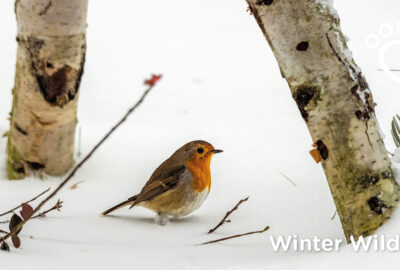
Winter Wildlife 🦊❄️
With many of our favourite garden species already struggling due to habitat loss, intensive agriculture and numerous other threats, you can alter your outdoor space to help the wildlife thrive in your garden.
Wild Bird
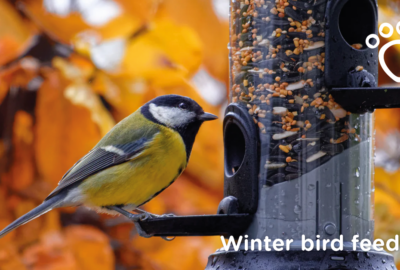
Winter Bird Feeding
The importance of caring for winter wildlife: Caring for wild birds during the winter season is crucial for their survival, especially in the UK where harsh weather conditions can make it difficult for them to find food. By providing them with nutritious bird feed, you can help them maintain their energy levels and stay warm…
Wild Bird
How To Help Winter Wildlife
Shorter days and longer nights can mean only one thing…Winter is coming. Let’s look at how we can help our Winter Wildlife.
Wild Bird
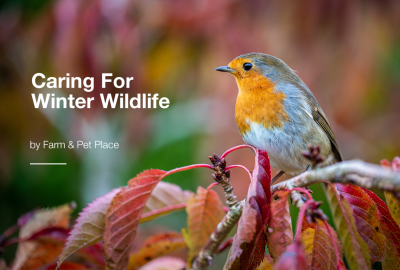
Caring for Winter Wildlife
As the golden leaves of Autumn fall, it’s time to start thinking about our wonderful winter wildlife with Farm & Pet Place
Leave a reply
You must be logged in to post a comment.